
Household spending cools as borrowing and retail profits weaken
Australian households are showing fresh signs of financial caution, with slower borrowing and a sharp fall in retail-sector profits raising questions about the strength of consumer spending as higher interest rates flow through the economy.
Australian Bureau of Statistics figures showed retail sales volumes increased 0.4 per cent over the three months to June. However, gross profits across the retail industry fell 5.2 per cent, the largest quarterly decline since March 2024.
Reserve Bank of Australia credit data also pointed to slower borrowing. Housing credit growth eased to 0.5 per cent for the month and personal credit growth slowed to 0.3 per cent as households borrowed less across mortgages, credit cards and personal loans.
The figures present a more cautious picture than recent ABS household spending data, which showed spending growing at its fastest annual pace in at least three years, supported by stronger discretionary expenditure.
Retail earnings point to softer demand
ANZ head of Australian economics Adam Boyton said the latest retail trade figures could represent a shift in household consumption conditions, with the data increasingly indicating weakness rather than strengthening demand.
The results reinforce warnings delivered during the August earnings season by ASX-listed retailers including JB Hi-Fi, Bapcor and Harvey Norman, which reported economic headwinds weighing on consumer demand.
Harvey Norman executive chairman Gerry Harvey said he did not see an immediate improvement in conditions, despite population growth generating additional underlying demand.
Questions have also emerged about whether official household spending measures fully reflect the conditions retailers are experiencing.
MST Marquee senior research analyst Craig Woolford said there was a risk that sales growth was being overstated in the household spending measure. Coles chief executive Leah Weckert has also said the retailer relies on competitors’ earnings results, rather than ABS data alone, when assessing market conditions in its supermarket and liquor businesses.
Housing downturn could add another headwind
The retail trade figures precede June-quarter gross domestic product data, which will provide further evidence of how households responded to three Reserve Bank interest rate increases and tax changes announced in the federal budget.
Household consumption is an important component of economic growth, meaning spending below expectations could weigh on GDP outcomes.
However, weaker retail profits do not necessarily indicate an equivalent fall in consumer demand. IFM Investors chief economist Alex Joiner said rising business costs had squeezed retail margins, with consumers potentially unwilling or unable to absorb further price increases.
RBC Capital Markets senior economist Mary Jo Vergara said household spending remained relatively strong after accounting for price increases, pointing to a 0.7 per cent rise in household consumption for the June quarter.
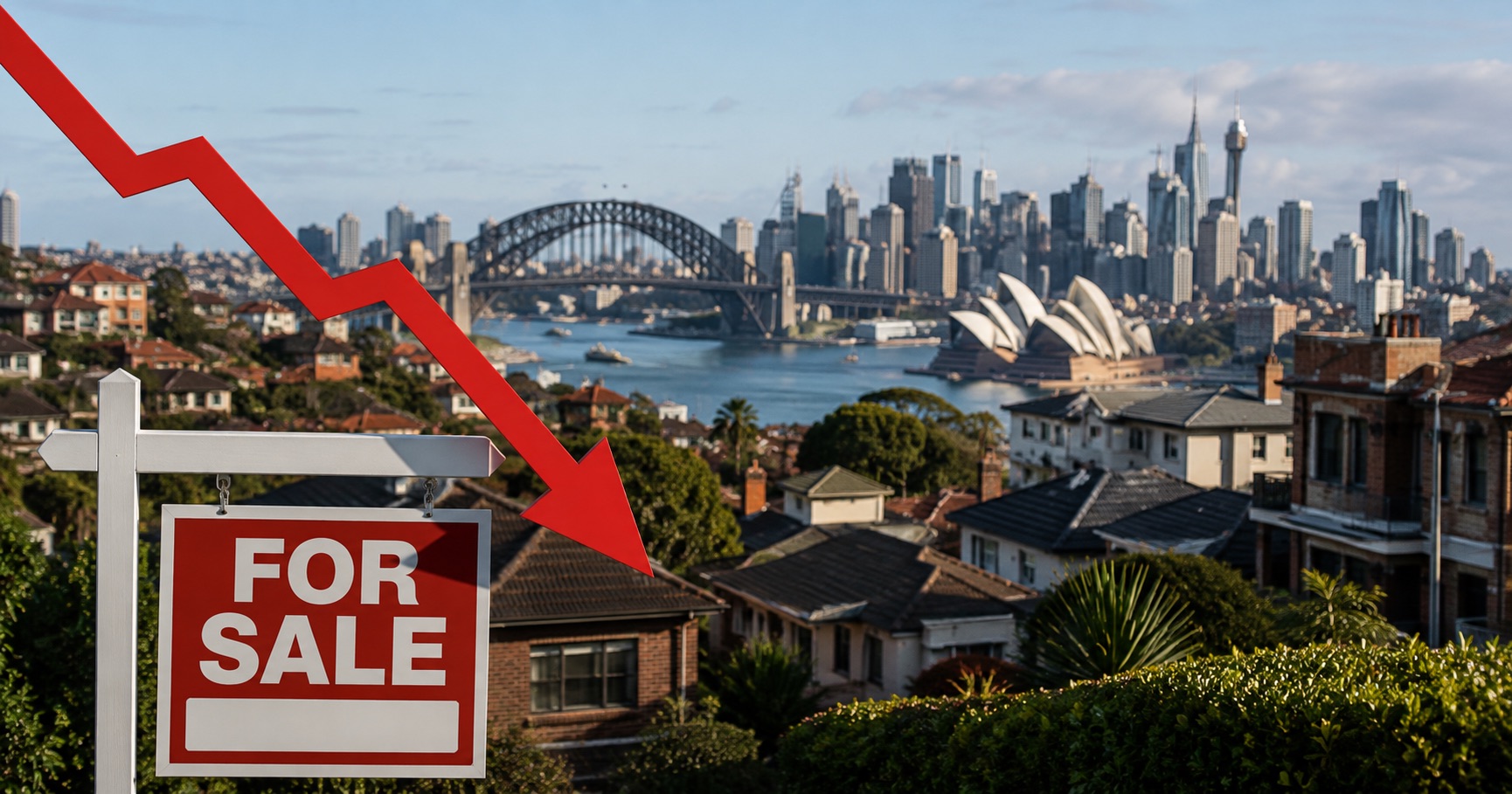
She nevertheless cautioned that the strength may not persist if falling house prices make homeowners feel less wealthy and encourage them to reduce expenditure. Vergara identified this housing-related wealth effect as an emerging headwind for household spending.
For property investors, the combination of slower housing credit, weaker consumer conditions and falling property values highlights how changes in the housing cycle can extend beyond property prices into household borrowing and broader economic activity.