Australian house prices deepen as Sydney values fall 7.1%
Australia’s housing downturn has broadened across the major capitals, with Sydney recording another sharp fall in August as higher interest rates, weaker buyer confidence and changes to property investor tax concessions reshape market conditions.
Sydney residential values fell 1.4 per cent during August, taking the decline from the market’s February peak to 7.1 per cent, or an average $93,220, according to Cotality. Prices across the major capital cities fell by about 1 per cent over the month.
The weakness was particularly pronounced at the higher end of Sydney’s market. Properties valued above $1.9 million dropped 1.8 per cent during August, while cheaper properties favoured by first-home buyers declined by about 0.6 per cent.
Melbourne and Canberra values fell 1.1 per cent over the month, Brisbane declined 1 per cent, and Adelaide and Perth each fell 0.8 per cent. Cotality research director Tim Lawless said 93 per cent of capital-city suburbs had recorded falls over the previous three months.
Interest rates and tax settings reshape investment decisions
The market adjustment follows three interest rate increases this year and the federal government’s May announcement that negative gearing would be restricted to new residential properties while capital gains tax concessions would be reduced.
Economists cited in the reporting said the policy changes could reduce returns for investors in existing properties, potentially influencing both investment demand and decisions about new housing supply.
The tax changes have also arrived as financing conditions have tightened. Traders were pricing a 38 per cent chance that the Reserve Bank would increase interest rates again at its September meeting.
HSBC chief economist Paul Bloxham said the housing market was still in the early stages of the downturn and was unlikely to turn decisively until buyers became more confident that interest rates were heading lower rather than higher.
Economists see further weakness ahead
National Australia Bank had already warned in August that the adjustment could continue for more than six months. NAB chief economist Sally Auld said the bank expected average dwelling prices across the capital cities to fall about 7 per cent from peak to trough, with Sydney and Melbourne likely to experience larger declines.
ANZ’s outlook was more bearish, forecasting a 10.6 per cent peak-to-trough decline in capital-city prices and no recovery in the real estate market until 2028.
NAB’s earlier analysis also suggested conditions would vary significantly between cities. Sydney and Melbourne were expected to record the larger falls, while Adelaide, Perth and Brisbane were forecast to perform relatively better even as price growth cooled.
Not all economists expect the weakness to persist for as long. Barrenjoey and Ray White were reported to be more optimistic, with expectations that fewer new property listings could support values before the end of the year.
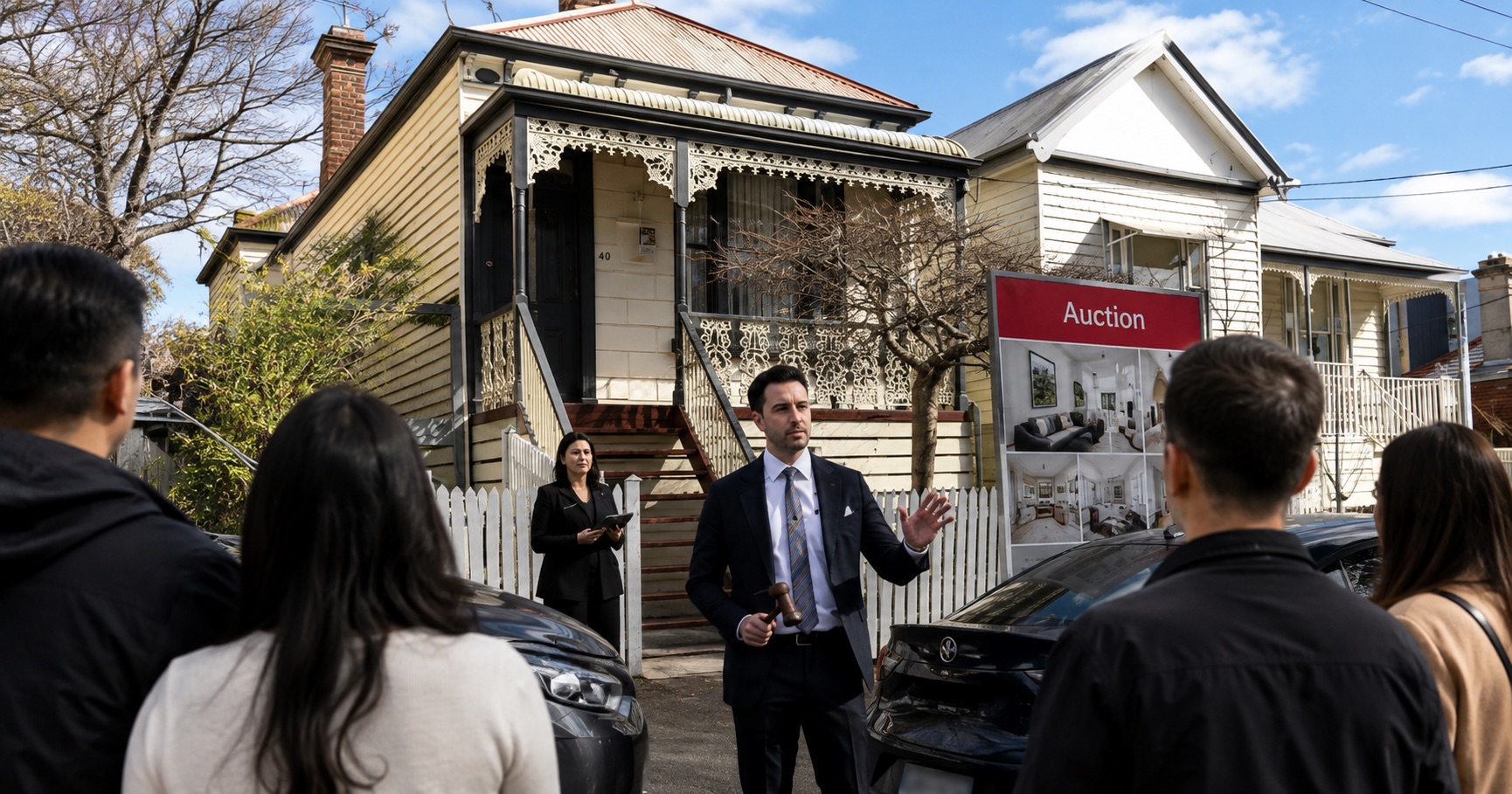
The spring selling season will provide an important test of those competing forecasts. In Sydney’s southern beachside suburb of Cronulla, Abode Property realtor Suzanne Hibberd reported a recent increase in groups attending open homes, although she said transactions remained difficult and investor participation was still limited.
For property investors, the latest figures highlight a market where financing costs, tax treatment, property value and location are increasingly important to investment decisions as prices continue to adjust.
SOURCE ATTRIBUTION:
Based on reporting by The Australian Financial Review, published 25 August 2026 and 1 September 2026. Source: www.afr.com.