Sydney and Melbourne lose thousands of rental homes
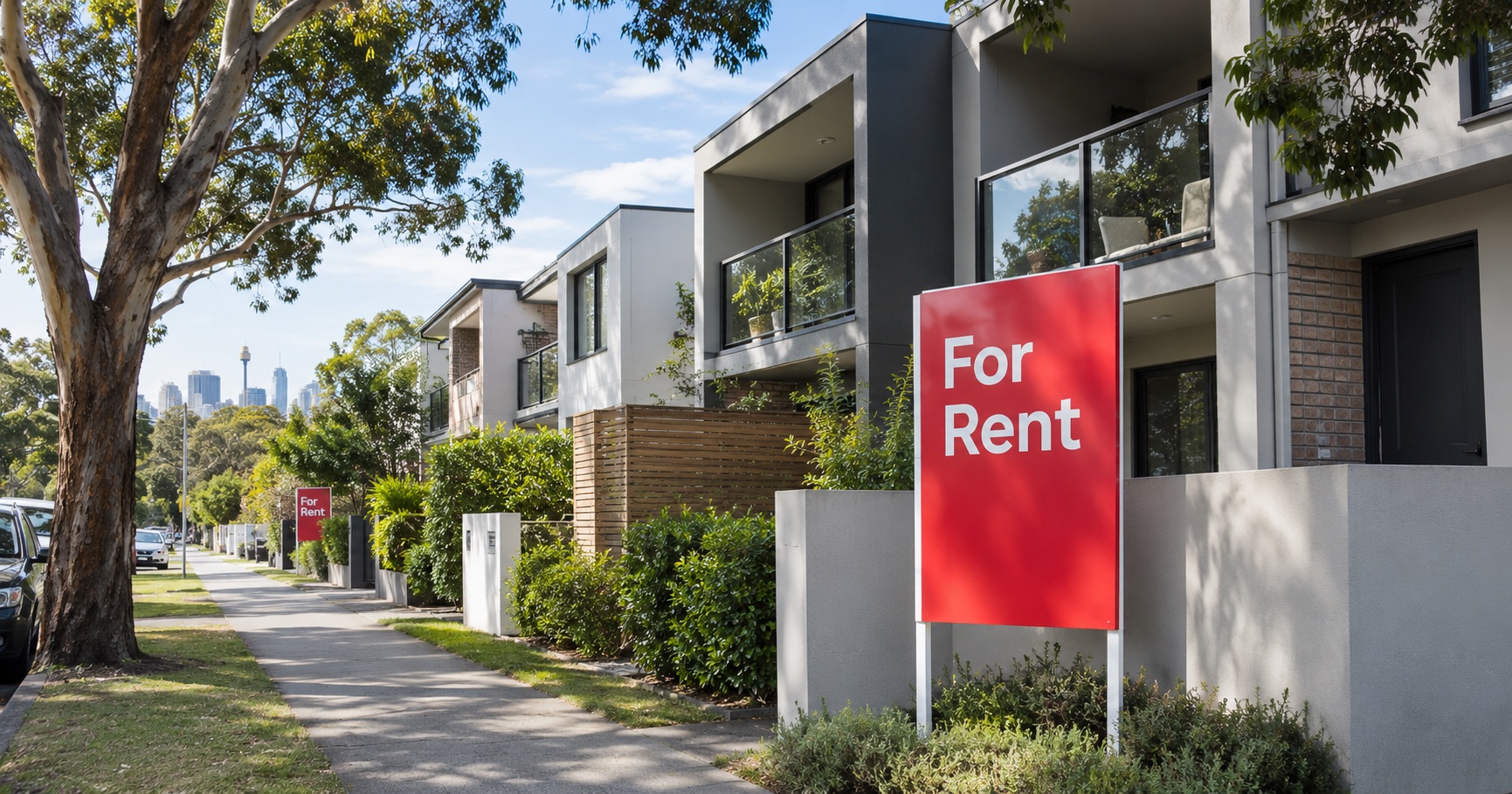
Sydney and Melbourne have each lost more than 11,000 available rental homes since October 2021, intensifying competition for housing even as rent growth begins to slow from earlier peaks.
Cotality analysis shows Sydney’s total rental listings fell from 41,883 to 30,192 by October 2026, a decline of 27.9 per cent. Melbourne’s listings dropped from 38,126 to 26,476, down 30.6 per cent.
Both markets contracted more sharply than the combined capital-city average, where listings declined 20.6 per cent over the same five-year period.
Population growth meets weaker construction
Cotality head of research Gerard Burg said population growth in Sydney and Melbourne strengthened after the COVID-19 pandemic during a wave of migration. At the same time, fewer newly constructed homes were entering the rental market.
Burg said new migrants generally moved towards rental housing rather than the purchase market, adding to demand in cities already experiencing consistently low vacancy rates.
Rents rose 36.4 per cent in Sydney and 35.1 per cent in Melbourne over the five years. However, the pace of growth has moderated as tenants approach affordability limits.
Sydney’s median rent increased at close to 10 per cent a year between 2021 and 2023, before slowing to 4 per cent growth between October 2025 and October 2026. Melbourne’s annual growth reached 11.8 per cent between 2022 and 2023, then eased to 4.5 per cent in the latest 12 months.
Analysis by the e61 Institute found that tenants receiving a rent increase were typically facing rises well above the official rent inflation rate. Among rents that changed, the average increase peaked at 12.4 per cent, compared with peak annual consumer price index rent inflation of 7.8 per cent in August 2023.
Investor lending and ownership pressures
Official figures showed new mortgages recorded their largest-ever quarterly fall during the September quarter. Loans to property investors declined by one-third from the same period a year earlier.
The report said property analysts were concerned that Labor’s tax changes announced in May, which wind back negative gearing and capital gains tax discounts for investment properties, could reduce future rental supply. They also expect more Baby Boomer investors to sell as that generation exits the market.
Cate Bakos, chair of the Property Investment Professionals of Australia, said interest rate increases and new rental laws had made investment properties more expensive to operate. She said some investors had sold and moved into other asset classes because they could no longer sustain the funding shortfall.
Tenants adjust as affordability tightens
Bakos said tenants were increasingly turning to shared housing or remaining at home with parents when rent increases became unaffordable.
Harry Millward, former secretary of the Renters and Housing Union, said the reduction in available listings had left some members applying for homes for months and, in some cases, years.
For property investors, the figures point to competing pressures. Limited rental supply has supported substantial rent increases, but slower rent growth, higher financing costs and policy changes may make some properties harder to hold or replace
SOURCE ATTRIBUTION:
Based on reporting by The Australian Financial Review (Sarah Petty), published 19 November 2026.