Melbourne auction clearance rate falls below 50 per cent
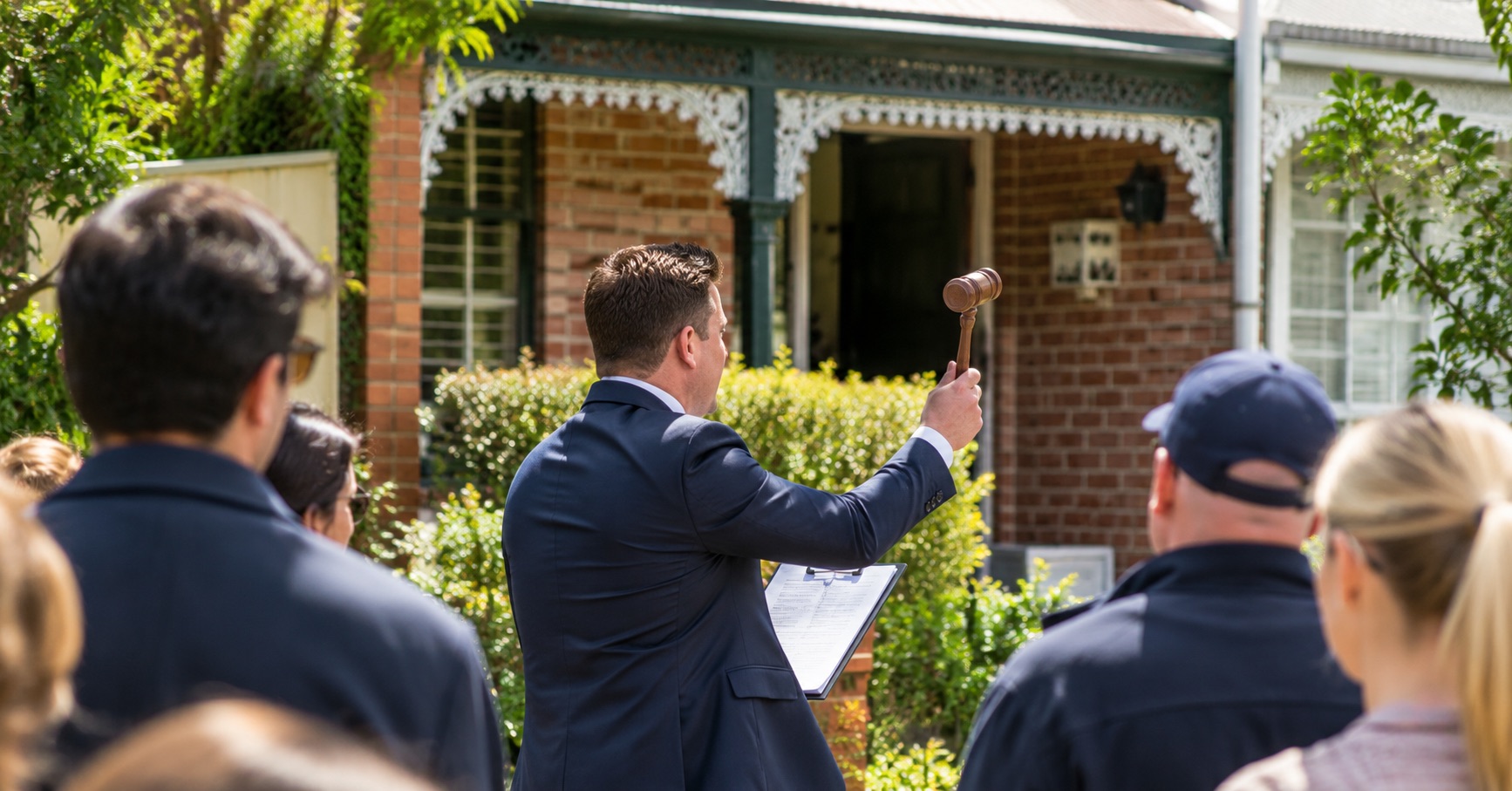
Melbourne’s spring auction market has fallen behind other major capitals, with the city’s preliminary clearance rate dropping to 49 per cent as sellers adjust to new reserve-price disclosure rules and elevated borrowing costs.
The result was below Melbourne’s 54 per cent spring average and marked the fourth consecutive week that the city’s early clearance rate remained under 50 per cent. A relatively low 692 homes were taken to auction.
By comparison, Sydney recorded a preliminary clearance rate of 52.9 per cent from 713 auctions, while Canberra reached 50 per cent from 124 auctions.
Nationally, the preliminary clearance rate increased 2.9 percentage points from the previous week to 46.9 per cent. Despite the improvement, Cotality said it was the second-lowest preliminary result recorded during spring.
Reserve-price rules reshape seller decisions
Cotality research director Tim Lawless said Melbourne’s weaker performance since mid-October could be linked to Victoria’s new requirement for vendors to publish their reserve price seven days before an auction.
Lawless said Melbourne had historically operated as a larger auction market than Sydney, but that pattern had changed since the reserve-price reporting rules took effect. He suggested some vendors were becoming less willing to use auctions because greater transparency around reserves removed one of the incentives for choosing that sales method.
The Victorian government introduced the measure after concerns about underquoting, where a property is promoted below the seller’s expectations in an effort to attract interest before an auction.
NSW Labor took a different approach and shelved separate underquoting legislation that had been due to commence the previous week. The Minns government argued that introducing the proposed laws during a weaker market could have unintended consequences.
Industry calls for the rules to be reconsidered
Ray White Group managing director Dan White called on Victoria’s Liberal Party to reverse the changes if it won government.
White argued that the rules were introduced during a major market adjustment and were disadvantaging both vendors and buyers. He said sellers wanted to achieve the best price available on auction day, while buyers wanted confidence that they were not overpaying in a transparent process.
For investors, the Melbourne result points to subdued auction demand and shows how regulatory settings can influence both vendor behaviour and the choice of sales method.
Other capitals record mixed outcomes
Auction conditions were weaker in several smaller capitals.
Brisbane recorded a preliminary clearance rate of 27.3 per cent from 202 auctions. The report noted that a rising market would typically require a clearance rate above 67 per cent.
Adelaide recorded 34.9 per cent from 121 auctions, while Perth’s smaller market produced a clearance rate of 23.1 per cent from 24 auctions.
Canberra delivered the second-highest capital-city result. A five-bedroom home in Duffy sold for $1.54 million, above a valuation of about $1.3 million, after a competitive auction involving five registered bidders.
SOURCE ATTRIBUTION:
Based on reporting by The Australian Financial Review (Lucy Slade), published 23 November 2026.