Hui Ka Yan receives life sentence in Evergrande fraud case
A Chinese court has sentenced China Evergrande Group founder Hui Ka Yan to life in prison, marking a major legal development in the collapse of the heavily indebted property developer.
Hui was sentenced alongside 56 other people involved with Evergrande, including his sons Xu Zhijian and Xu Tenghe. His assets are to be confiscated, while Hong Kong-listed Evergrande was fined 8.82 billion yuan ($1.8 billion) and its onshore unit, Hengda Real Estate, was ordered to pay a further 7 billion yuan.
The sentencing follows Hui’s guilty plea in April to charges that included illegally taking public deposits and fundraising fraud. According to the report, Hui and his sons were also found guilty of offences including fraudulent securities issuance, breaches of information disclosure rules and bribery.
From rapid expansion to default
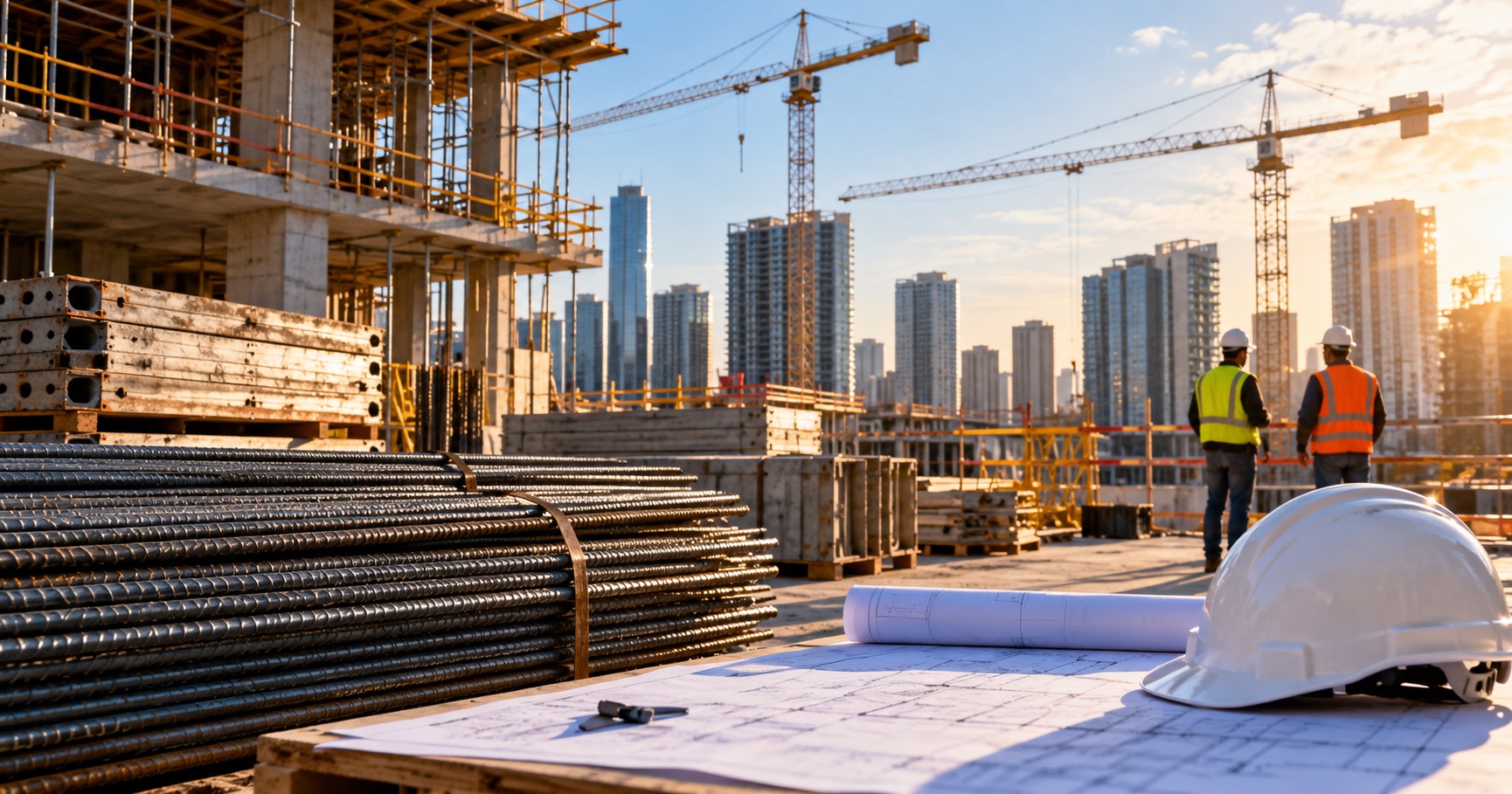
Hui founded Evergrande in Guangdong in 1996 and developed it into one of China’s largest property businesses. At its peak, the group had more than 1300 projects across 280 cities and expanded beyond real estate into bottled water, professional soccer and electric vehicles.
Evergrande eventually ranked first among Chinese developers by property sales while carrying the country’s largest dollar-denominated debt burden. Its expansion relied on funding from bank loans, shares and bonds, as well as money obtained from suppliers and retail investors.
Hui, also known as Xu Jiayin in Mandarin, was born in Henan province in 1958. He worked at a steel firm before leaving in 1992 and moving into property development in Guangzhou, later establishing Evergrande.
Pressure on the group increased after Beijing began restricting property-sector borrowing in 2020. Evergrande defaulted on its debt in late 2021 after restructuring efforts failed, and a Hong Kong court issued a winding-up order in 2024.
A mainland Chinese court later accepted a liquidation application against one of Evergrande’s major onshore units. Creditors have continued pursuing assets inside and outside China in an effort to recover some of their losses.
Regulatory scrutiny intensifies
Hui was taken away by Chinese police in 2023 and placed under a form of residential surveillance. Chinese authorities provided little public detail about his status after a company filing confirmed that he had been placed under control.
In 2024, Chinese regulators accused Evergrande’s main onshore unit of inflating more than 560 billion yuan of revenue by recognising property sales in advance. China subsequently suspended the operations of PricewaterhouseCoopers, Evergrande’s long-time auditor, for six months and imposed fines.
The sentencing resolves a major part of the case against Hui, but it does not end Evergrande’s wider legal and financial difficulties. The company remains in liquidation, with creditors continuing efforts to recover assets following one of China’s most significant property-sector defaults.
SOURCE ATTRIBUTION:
Based on reporting by The Australian Financial Review, published 21 August 2026.