Markets price further RBA rate rises as inflation stays high
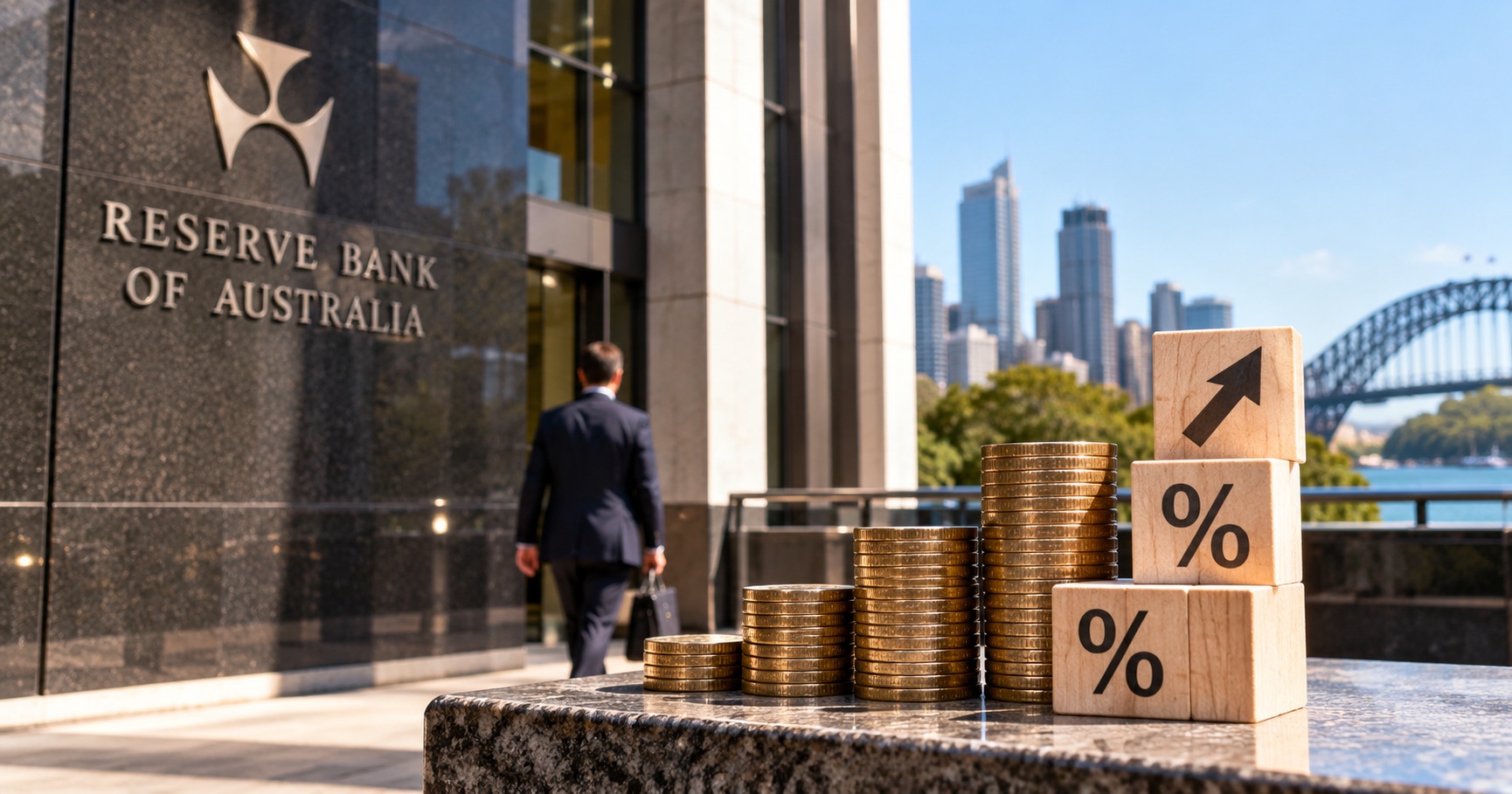
Australian financial markets are increasingly pricing the possibility of further interest-rate increases, with some investors expecting the Reserve Bank of Australia to lift the cash rate above 5 per cent as inflation pressures remain persistent.
The RBA has already raised the cash rate three times this year to 4.35 per cent. Traders are now almost fully pricing another increase at the bank’s next meeting, while market pricing points to a cash rate of about 5.02 per cent by the middle of next year.
That would be equivalent to between two and three additional standard quarter-point increases from current levels and would push borrowing costs towards levels last seen during the global financial crisis.
The pressure comes as oil prices remain near three-year highs and inflation continues to sit above the RBA’s 2 to 3 per cent target band. The latest preferred inflation reading cited in the report was around 3.6 per cent.
Oil and demand keep inflation risks elevated
Fortlake Asset Management co-founder Christian Baylis said he believed the RBA could raise rates three more times, arguing that a cash rate of 5 per cent or higher may be required to bring inflation decisively under control.
He pointed to strong consumption and discretionary spending as signs that demand remained resilient despite higher borrowing costs.
Citi senior economist Faraz Syed also said an Australian cash rate above 5 per cent was realistic. He attributed part of the pressure to higher crude prices and persistent supply-side constraints.
The report said crude oil prices had risen 55 per cent since war erupted between Washington and Tehran in late February. Syed said higher oil costs were increasingly feeding into a wider range of goods and services rather than remaining confined to petrol.
He also pointed to resilient household spending and stronger-than-expected investment in data centres as evidence of continuing demand.
Global bond markets are reflecting similar concerns. The report said Australian investors were not alone in expecting tighter policy, with markets pricing further rate increases in the United States, Europe and Japan over the coming year and larger moves in the United Kingdom, New Zealand and Canada.
Property market faces renewed rate pressure
For property investors, the prospect of another tightening cycle comes at a difficult time.
The report said three potential rate rises, combined with changes to tax concessions for property investors, had already contributed to uncertainty in the real estate market, with some buyers staying on the sidelines and home prices declining.
Higher interest rates would further increase borrowing costs for investors and owner-occupiers, while potentially adding pressure to transaction volumes and property valuations.
However, economists remain divided over how far the RBA is likely to go.
UBS strategist Nic Guesnon said aggressive tightening could eventually force the central bank to place less emphasis on preserving employment gains and increase the risk of recession.
Barclays chief rates strategist Andrew Lilley took a more cautious view, arguing that three additional increases were unlikely. He said the RBA could tolerate two further rises to absorb the energy shock, which would take the cash rate to 4.85 per cent.
The split between market pricing and economist forecasts highlights the uncertainty surrounding the next stage of monetary policy. For property investors, the immediate focus remains on whether inflation and energy costs remain high enough to force the RBA to extend its tightening cycle beyond current expectations.
SOURCE ATTRIBUTION:
Based on reporting by Cecile Lefort in The Australian Financial Review. Source: www.afr.com